Empowering Lives
  • Home
  • Programs
    • Who We Help >
      • Learning Difficulties >
        • ADHD
        • Dyslexia and Reading Difficulties
        • Dyscalculia and Maths Difficulties
        • Dysgraphia and Writing Difficulties
        • Non-Verbal Difficulties
        • Memory Retention Difficulties
        • Auditory Processing Difficulties
        • Executive Functioning Difficulties
      • Older Adults
      • Brain Recovery After Addiction >
        • Adults Overcoming Addiction
    • Program Overview
    • Class Options & Pricing
    • Steps to Enrolment
    • Assessments >
      • Full Arrowsmith Assessment
      • Woodcock Johnson Achievement Assessment
  • How It Works
    • Neuroplasticity - The Brain's Ability to Change
    • Cognitive Funtions
    • Cognitive Exercises >
      • Symbol Relations
      • Motor Symbol Sequencing
      • Symbolic Thinking
      • Memory for Information and Instructions
      • Predicative Speech
      • Symbol Recognition
      • Lexical Memory
      • Non Verbal Thinking
      • Quantification Sense
    • Barbara Arrowsmith-Young - The Woman Who Changed Her Brain
    • Research >
      • Research FAQ's
    • Media/Press
  • Class Timetable
  • Testimonials
  • About Us
  • Contact

Neuroplasticity: The Brain’s Ability to Change

Our Brain Is Adaptable, and We Can Make it Stronger.
Once believed to be hard-wired, modern neuroscience has proven that the human brain can continue to grow, adapt, and strengthen throughout life.
This discovery, known as neuroplasticity, shows that our potential to learn, focus, and think more effectively is not fixed.

At Empowering Lives, we use this ability through the Arrowsmith Program to help children and adults strengthen the brain functions that support learning, memory, and reasoning.

Neuroplasticity is one of the most important scientific discoveries of the last 400 years. It gives us the knowledge to improve our capacity to learn, perform, and live with confidence.
Picture
Norman Doidge, MD, Author of The Brain That Changes Itself, explaining neuroplasticity
What is Neuroplasticity?
For centuries, scientists believed that the brain’s structure and abilities were set from birth. We now know that the brain is malleable. It can form new connections and reorganise itself in response to learning and experience.

This process of change is called neuroplasticity. It allows us to improve thinking, comprehension, and emotional regulation at any age. With focused cognitive training, even areas of weakness can be strengthened to support better learning outcomes.

Through the Arrowsmith Program, participants complete targeted cognitive exercises that reshape how the brain processes information. This creates real and measurable improvements in understanding, reasoning, and problem-solving.


How Neuroplasticity Works

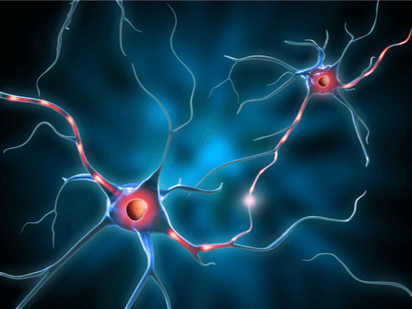
Neuroplasticity involves changes at both the structural and functional levels of the brain.
​
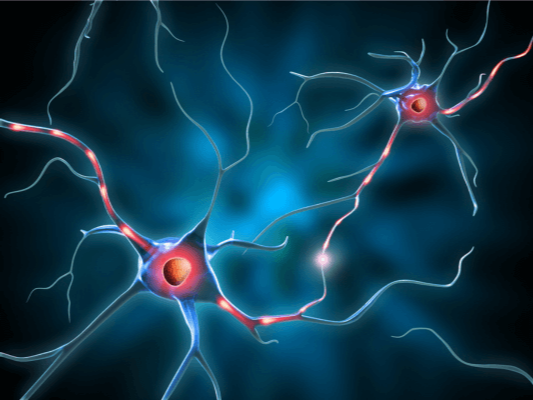
  • Structural change happens when neurons form new connections or reorganise existing ones, reshaping neural pathways.
  • Functional change occurs when brain networks become more efficient through repeated use. This improves the speed and accuracy of thinking.

​The more these pathways are activated through practice and challenge, the stronger and more efficient they become. It is similar to exercising a muscle.
​Activity Dependent Neuroplasticity

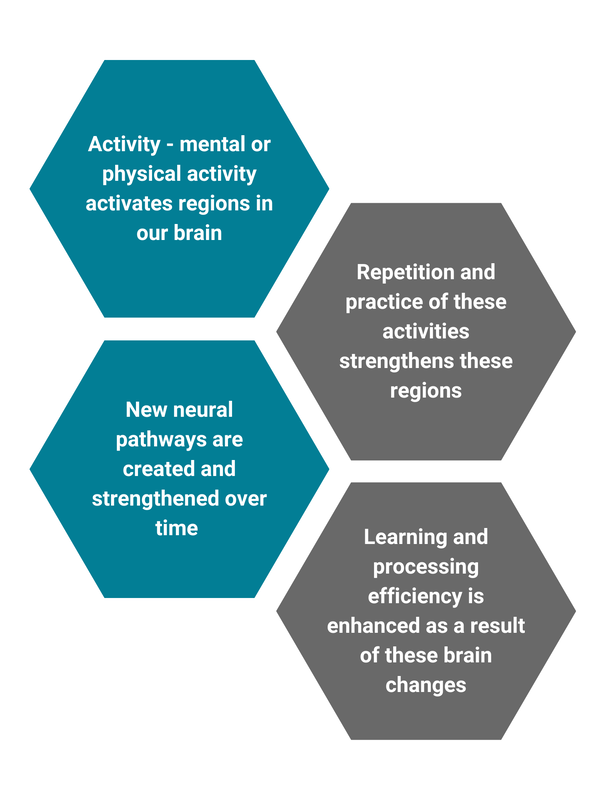
​Each of us has the ability to strengthen our brain through purposeful activity. The key principles are:
  1. Activity – Mental or physical activity activates specific brain regions.
  2. Repetition – Regular practice reinforces these neural circuits.
  3. Connection – New pathways are created and strengthened through repeated use.
  4. Efficiency – As these pathways develop, learning and problem-solving become faster and more effective.
​“If a brain is exercised properly, anyone can grow intelligence, at any  age, and potentially by a lot.” 

Dr. Michael Merzenich

Professor Emeritus, UCSF, Kavli Laureate in Neuroscience
Picture

Harnessing Neuroplasticity

Scientists have come to learn how we can create positive brain change – the very conditions that change and ultimately improve our brain’s capacity to learn.
Picture
"Neurons that fire together wire together"
​


Donald O' Hebb
Pioneer in Neuropsychology, The Father of Neuropsychology
Picture
"If a network supporting a brain function is repeatedly stimulated through practice and training, it will become stronger, contributing to the optimisation of that brain function."

Alvaro Fernandez
Sharp Brains Guide to Brain Fitness
Discover Your Unique Cognitive Profile
Arrowsmith Cognitive Questionnaire
Vertical Divider
​Take our 30-minute cognitive profile questionnaire to start the journey into understanding your brain's strengths and weaknesses through a cognitive lens.
Find out more
Vertical Divider
Arrowsmith Cognitive Assessment
​The Arrowsmith Cognitive Assessment, administered by an Arrowsmith trained professional, will provide you with an in-depth insight into your unique cognitive profile. 
Find out more
Take the next Step
Is Arrowsmith right for me
Vertical Divider
Talk to
Admissions
Find out more
What we offer
Vertical Divider
Check out our
Programs
Find out more
How to Enrol
Steps to
​Enrolment
Find out more
Picture
Empowering Lives is an initiative of 
Teen Challenge Queensland​


​Empowering Lives, 2021 ©
  • Home
  • Programs
    • Who We Help >
      • Learning Difficulties >
        • ADHD
        • Dyslexia and Reading Difficulties
        • Dyscalculia and Maths Difficulties
        • Dysgraphia and Writing Difficulties
        • Non-Verbal Difficulties
        • Memory Retention Difficulties
        • Auditory Processing Difficulties
        • Executive Functioning Difficulties
      • Older Adults
      • Brain Recovery After Addiction >
        • Adults Overcoming Addiction
    • Program Overview
    • Class Options & Pricing
    • Steps to Enrolment
    • Assessments >
      • Full Arrowsmith Assessment
      • Woodcock Johnson Achievement Assessment
  • How It Works
    • Neuroplasticity - The Brain's Ability to Change
    • Cognitive Funtions
    • Cognitive Exercises >
      • Symbol Relations
      • Motor Symbol Sequencing
      • Symbolic Thinking
      • Memory for Information and Instructions
      • Predicative Speech
      • Symbol Recognition
      • Lexical Memory
      • Non Verbal Thinking
      • Quantification Sense
    • Barbara Arrowsmith-Young - The Woman Who Changed Her Brain
    • Research >
      • Research FAQ's
    • Media/Press
  • Class Timetable
  • Testimonials
  • About Us
  • Contact