
Dysgraphia and Writing DifficultiesAn individual can often be diagnosed with Dysgraphia when their writing and fine motor skills are significantly impaired.
Learning to write can be a complex task for every young learner. If basic writing abilities are not developed by a certain age, or require extensive effort, it can indicate a writing challenge. |

|
Dysgraphia and Writing Difficulties - Cognitive Functions
Dysgraphia and writing difficulties can be broken down into weaknesses in one or more of the
following cognitive functions:
following cognitive functions:
|
Motor Symbol Sequencing (Automation of motor plans in writing and eye tracking) |
Symbol Recognition (Visual memory of numbers and symbols) |
Kinesthetic Perception (Sense of hand grip, pressure, and position) |
Dysgraphia - How to See the Signs
|
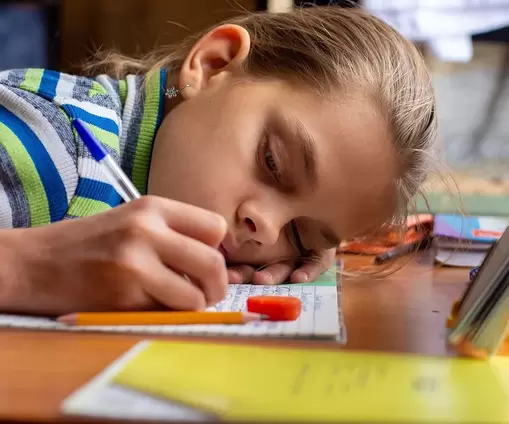
When the cognitive functions responsible for writing processes are weak, it can be a chore, and often feel impossible. This is because the messages our brain sends to our hand to grip and move the pencil, and the automated motor plans that create letters and words aren't working as they should.
Some of the signs of Dysgraphia are:

Difficulty with forming letters, making them the same size,
and spacing correctly 
writing fatigue – writing can be tiring,
causing hand cramps or even pain 
trouble holding a pencil, holding it awkwardly, gripping it too tightly, and applying too much pressure when writing
|
Expressive writing can also come under the Dysgraphia umbrella. In these instances, other cognitive functions come into play, including the capacity to sequence language together in a logical way (Predicative Speech), to stay on topic (Symbolic Thinking) and to develop logical arguments (Symbol Relations). Depending on the individual’s cognitive profile, a host of cognitive causes can be identified..
Discover Your Unique Cognitive Profile
|
Arrowsmith Cognitive Questionnaire
Vertical Divider
Take our 30-minute cognitive profile questionnaire to start the journey into understanding your brain's strengths and weaknesses through a cognitive lens.
|
Arrowsmith Cognitive Assessment
The Arrowsmith Cognitive Assessment, administered by an Arrowsmith trained professional, will provide you with an in-depth insight into your unique cognitive profile.
|
Dysgraphia is Rarely Experienced in Isolation
|
Difficulties in writing are linked to challenges in academics and low self esteem, often enduring into adulthood.
A significant portion of an individual's academic and professional success hinges on their ability to produce written work. Regardless of their expertise or grasp of the topic, if they cannot convey their thoughts effectively in writing, their performance is compromised. Additionally, research indicates that the process of writing aids the brain in retaining, organising, and processing information. Typical accommodations for Dysgraphia and writing difficulties involve using assistive technology and oral assessments. While these strategies offer temporary relief for writing challenges, both students and educators recognise their limitations. They are seldom accessible beyond the school years and are not permanent solutions. |

|
Dysgraphia Doesn't Need to be for LifeContrary to common belief, the digital era will not eliminate the necessity to write. Every cognitive function essential for writing mechanics is equally vital in learning how to type, remember spelling rules, and navigate through words and numbers. Technology cannot replace the fundamental need for communication, self-expression, and active participation in a rapidly evolving world.
If you or your child is diagnosed with dysgraphia or facing difficulties in written expression, spelling, or completing written tasks and tests on time, Arrowsmith can help. This can be done by enhancing the cognitive functions related to these challenges, opening up new opportunities. Reach out to us for further information. |
|
|
Testimonials
The flow from my brain to my pen or keyboards is much smoother because my mental "gridlock" is gone. I used to think my brain was ahead of my hand but I am happy to say now, my brain and my hand are working together nicely. Accountant - Arrowsmith Student |
"Thank you for helping me and other children who need to do Arrowsmith more than me. I am sure that Arrowsmith will change their lives just how it has done for me. I am writing you this letter in my very best handwriting that Arrowsmith gave me but the thing is you would not have opened Arrowsmith if your family did not need help. So I think you realised that there were kids all over the world who needed Arrowsmith. You have inspired me to write a story and no matter what when I turn 18 I will remember this letter and how I was crying when I wrote it and I will remember how you changed my life and I will write a story about my journey.” Arrowsmith Student |


Take the next Step
|
Is Arrowsmith right for me
Vertical Divider
Talk to
Admissions |
What we offer
Vertical Divider
Check out our
Programs |
How to Enrol
Steps to
Enrolment |